Stories to Help Kids Feel Brave at the Doctor
Doctor visits, especially ones involving shots, blood draws, or unexpected procedures, can be genuinely terrifying for young children. StoriesForMe creates personalized bedtime stories that prepare children for medical visits by showing their named hero doing the exact same thing, and coming through it brave and okay.
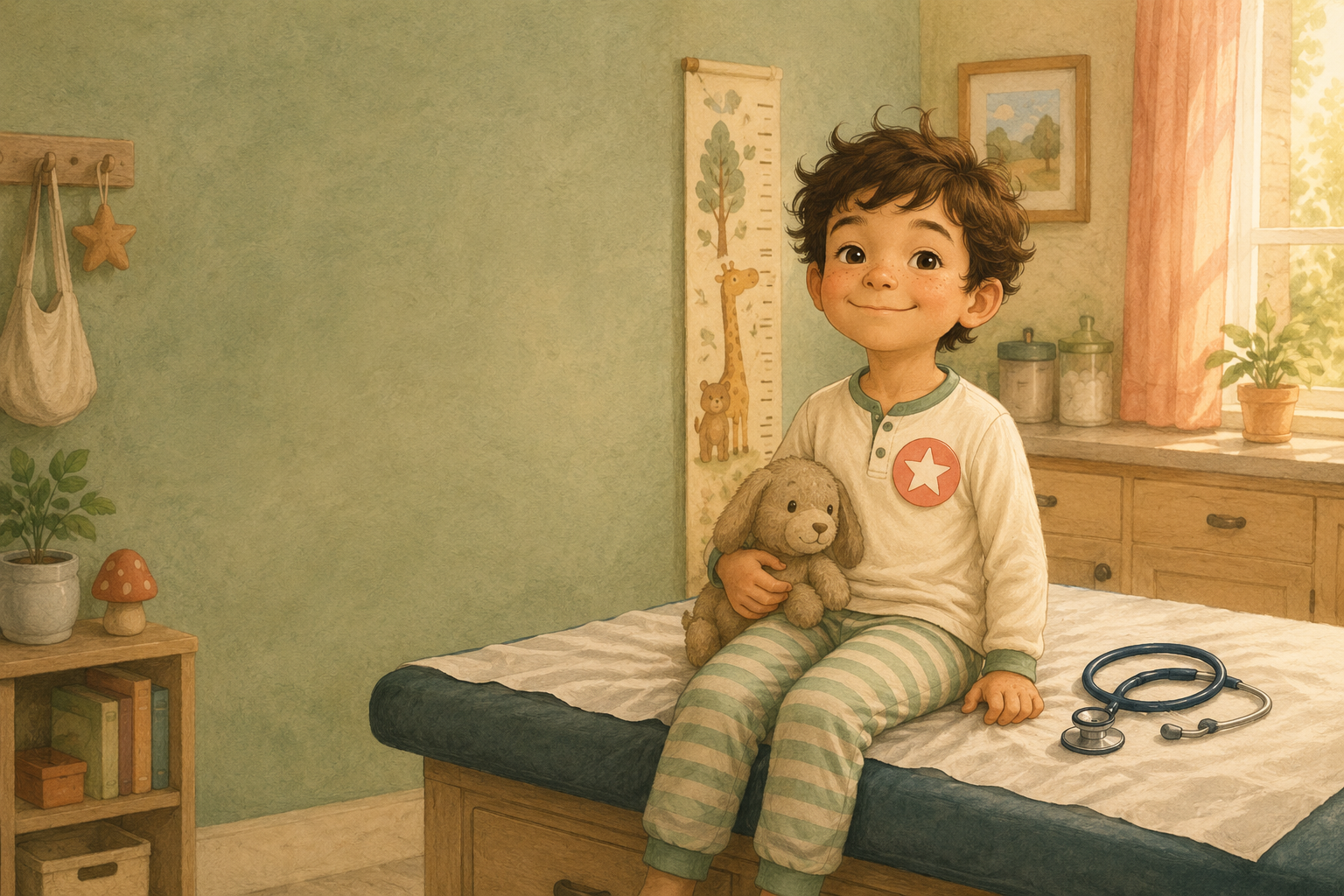
When the Waiting Room Is the Scariest Part
For many children, the anticipation of a doctor visit is more distressing than the visit itself. They can catastrophize what's going to happen, convinced the pain will be unbearable or something is terribly wrong. And unlike most fears, this one can't be avoided, which means parents need a way to help kids approach it, not run from it.
- Child becomes visibly distressed days before a scheduled appointment
- Cries, clings, or refuses to enter the building
- Has had a traumatic or painful previous experience they can't let go of
A Story That Walks Them Through the Visit First
StoriesForMe doctor visit stories use narrative exposure: the child's hero goes through the appointment step by step, including the scary parts, and comes out okay. Reading it the night before plants a mental model of success.
- 1
Tell us what kind of visit it is
Checkup? Vaccinations? Blood draw? A specialist? The story can be specific enough to match what's actually going to happen.
- 2
A story that walks through the visit with them
Your child's hero goes to a doctor visit, nervous, maybe scared, and makes it through. Not painlessly, but bravely. The story reframes 'I survived' as an act of courage.
- 3
Read it the night before the appointment
Narrative exposure the night before is a well-established preparation technique used by child life specialists. The story primes their nervous system for success.
What's inside the story
- Your child's name and the specific type of appointment
- Accurate, non-scary depiction of what will happen
- Bravery defined as going through it, not not feeling it
- A proud, successful resolution
What Parents Notice
Parents who read the story the night before appointments consistently report calmer, more cooperative children at the visit itself.
- Children are visibly calmer walking into appointments after hearing their story
- Kids use story language during the visit: 'This is the brave part'
- Post-appointment pride replaces post-appointment upset
How to use this story with your child
A few prompts, a script, and a small follow-up. For after the story, when the conversation begins.
Discussion prompts
- The hero felt scared but went anyway. What helped them keep going?
- What's the part of the visit you're most worried about?
- What would feel comforting to bring with you?
- What's something brave you've done before that nobody else might think was brave?
What you can say
I'm not going to tell you it won't hurt or won't be scary. I'm going to tell you that I'll be right there with you the whole time, and we'll get through it together. You don't have to be brave alone.
Comfort kit for the appointment
The night of the story, pack a small bag together for tomorrow: a stuffed animal, a fidget, a snack for after, headphones, anything that helps. Letting your child choose what comes along gives them a piece of control in a situation where they otherwise have none.
For bigger procedures, ask for a child life specialist
If your child's visit involves surgery, hospitalization, sedation, or a chronic-illness diagnosis, the bedtime story helps, but it's not enough. Ask the hospital, by name, for a child life specialist. They're trained to prepare children for medical procedures using language pitched to their developmental stage, play-based rehearsal of what's about to happen, and coping support in the moment. Most hospitals have one on staff. Most parents have never heard the title and don't think to ask.
Stories are a support, not a substitute. If you're worried about your child's wellbeing, your pediatrician is a good first call. In the US, you can also reach 988 (Suicide & Crisis Lifeline) any time.
Give them the story before the appointment.
A personalized preparation story built around your child's specific visit. Ready tonight.
Download FreeFree to try. No credit card required.